To catch greenhouse diseases early, watch for discolored or wilting leaves and unusual spots or browning, which indicate infection. Keep an eye out for mold, mildew, or fuzzy patches, especially in humid areas. Notice if your plants grow abnormally or show signs like stunted growth and pest damage. Maintaining good hygiene, proper airflow, and quick removal of infected debris help prevent outbreaks. Spotting these signs early is key—discover more tips to keep your plants healthy.
Listen free for 30 days with Audible
Thousands of audiobooks and originals — cancel anytime.
As an affiliate, we earn on qualifying purchases.
Key Takeaways
- Early discoloration or wilting of leaves signals potential disease before visible mold appears.
- Presence of fuzzy mold or mildew patches indicates fungal activity requiring immediate action.
- Stunted growth, misshapen leaves, or root issues suggest underlying infections or pests.
- Poor air circulation and high humidity promote fungal growth; maintaining proper environment can prevent outbreaks.
- Prompt removal of infected debris and disinfection of tools help stop disease spread early.
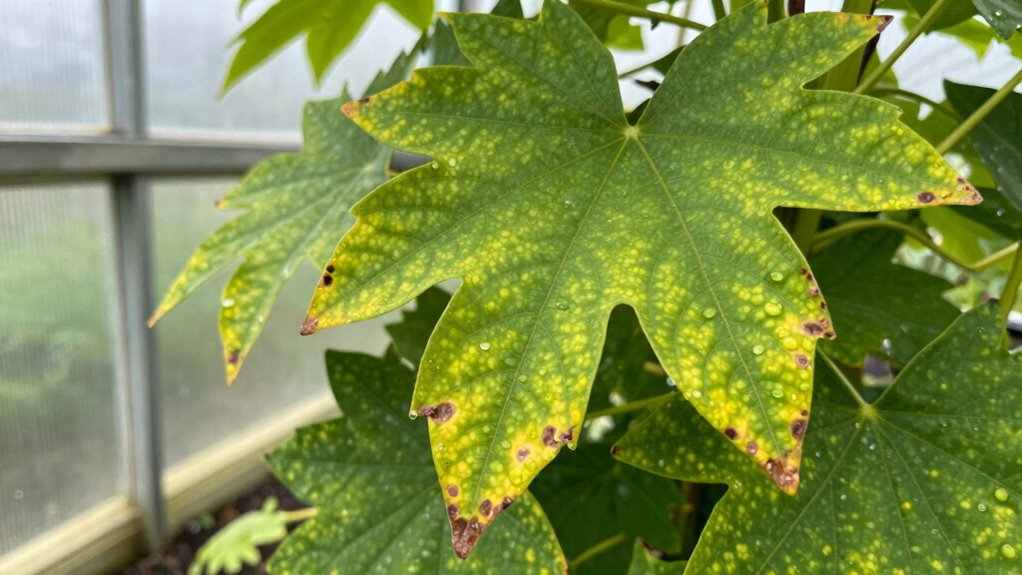
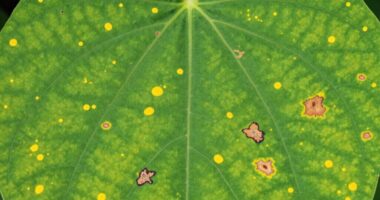
Greenhouses provide an ideal environment for plants, but they also create conditions that can lead to disease outbreaks if you’re not vigilant. Recognizing early warning signs is vital to protect your plants and maintain a healthy growing space. One of the first signs you might notice is discolored or wilting leaves. When plants start to show unusual spots, yellowing, or browning, it could indicate a fungal or bacterial infection taking hold. These symptoms often appear before any visible mold or rot, so paying close attention can save your crops from irreversible damage.
Early signs like discolored or wilting leaves help prevent serious plant health issues. Stay vigilant.
Another critical indicator is the presence of mold or mildew on plant surfaces or surrounding structures. Fungal growth tends to thrive in the humidity-rich environment of a greenhouse. If you spot white, gray, or black fuzzy patches, it’s a clear sign that disease spores are active. Addressing these issues early with proper pest management strategies is essential. Keeping humidity in check and removing infected debris can slow the spread. Also, ensure that you’re practicing soil sterilization, especially if you introduce new plants, to eliminate dormant pathogens lurking in the soil. Sterilizing your soil before planting reduces the risk of soil-borne diseases and creates a clean foundation for healthy growth. Regularly inspecting and monitoring environmental conditions helps prevent favorable conditions for disease development, such as high humidity and poor air circulation. Employing environmental controls like dehumidifiers or fans can significantly reduce disease risk. Additionally, maintaining a clean and organized greenhouse environment can further decrease opportunities for pathogens to spread.
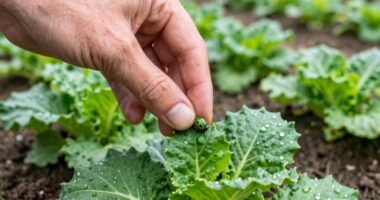
Stunted growth or abnormal development in your plants can also signal disease or pest problems. If some plants are lagging behind others or showing misshapen leaves, it might be due to root rot, pests, or nutrient deficiencies caused by disease. Regularly inspecting roots and stems helps you catch issues before they become widespread. Additionally, look for signs of pests, such as holes in leaves, sticky residues, or tiny insects, which can carry diseases or weaken plants, making them more susceptible. Maintaining proper air circulation is also crucial, as stagnant air can promote fungal growth. Ensuring good airflow can significantly reduce the likelihood of fungal outbreaks and improve overall plant health. Keeping an eye on plant health through consistent observation allows for quicker responses to emerging issues.
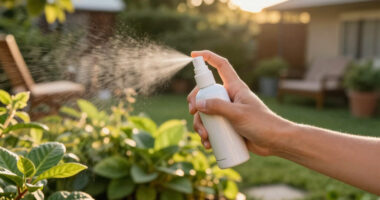
Vigilance involves more than just observing symptoms; it requires proactive measures. Incorporate pest management practices like introducing beneficial insects, using organic sprays, and maintaining cleanliness. Simultaneously, practice soil sterilization between planting cycles to eliminate pathogens that may survive in the soil. Removing fallen leaves, pruning infected plant parts, and disinfecting tools further reduce disease risks. Additionally, understanding the life cycle of common greenhouse diseases can help you time your preventative measures more effectively. Staying informed about disease development stages enables you to intervene at the most effective points. The key is to act swiftly at the first sign of trouble, preventing minor issues from escalating into full-blown outbreaks that threaten your entire greenhouse. By staying alert to these early warning signs and implementing good hygiene and soil sterilization techniques, you give your plants the best chance to thrive in a healthy, disease-free environment.
greenhouse mold and mildew remover
As an affiliate, we earn on qualifying purchases.
As an affiliate, we earn on qualifying purchases.
Frequently Asked Questions
How Can I Prevent Greenhouse Diseases Before They Appear?
To prevent greenhouse diseases before they appear, you should practice soil sterilization to eliminate lurking pathogens. Maintain proper ventilation and avoid overwatering to reduce excess humidity, which fosters disease development. Introduce pest-resistant plant varieties and monitor your greenhouse regularly for early signs of trouble. Quarantining new plants and keeping your workspace clean also helps, ensuring pests and diseases don’t take hold and spread, keeping your greenhouse healthier and more productive.
Are Certain Plants More Susceptible to Greenhouse Diseases?
Some plants are more susceptible to greenhouse diseases due to their inherent characteristics. You’ll find that disease-prone varieties and certain plant susceptibility traits make them easier targets for pathogens. For example, densely packed or poorly ventilated plants, like tomatoes and cucumbers, often face higher risks. To protect your greenhouse, choose resistant varieties when possible, and monitor susceptible plants closely for early signs of disease.
What Tools Are Best for Detecting Early Disease Signs?
Detecting disease early demands diligent devices. Use soil testing tools to scrutinize soil health, revealing hidden threats beneath the surface. Pest monitoring tools, like sticky traps or magnifying glasses, help identify problematic pests before symptoms appear. Regularly checking your plants and soil allows you to catch subtle signs of disease early. This proactive approach helps prevent larger outbreaks, ensuring your greenhouse stays healthy, happy, and thriving.
How Often Should I Inspect My Greenhouse for Disease?
You should inspect your greenhouse at least twice a week to catch disease early. During each inspection, focus on pest prevention and monitor soil health, as these are key to early detection. Look for unusual spots, mold, or pests that could indicate problems. Regular checks help you catch issues before they spread, ensuring your plants stay healthy and productive. Stay vigilant and proactive for the best results.
Can Natural Remedies Effectively Treat Greenhouse Diseases?
Some might doubt natural remedies’ effectiveness, but they can work well if used correctly. Companion planting helps prevent diseases by creating a healthy environment, while organic fungicides target specific pathogens without harmful chemicals. Combining these methods boosts your greenhouse’s resistance naturally. Regularly applying organic solutions and strategic plant pairings can keep diseases at bay, making your greenhouse healthier without relying solely on synthetic treatments.
Conclusion
By paying close attention to warning signs, you can catch greenhouse diseases early and save your plants. Remember, studies show that early detection can reduce crop loss by up to 80%. That’s a huge difference in keeping your greenhouse healthy and productive. So, stay vigilant, inspect regularly, and act quickly when you notice anything unusual. Your plants will thank you, and your greenhouse will thrive thanks to your proactive care.
NFL season / tailgating Picks
team gear
As an affiliate, we earn on qualifying purchases.